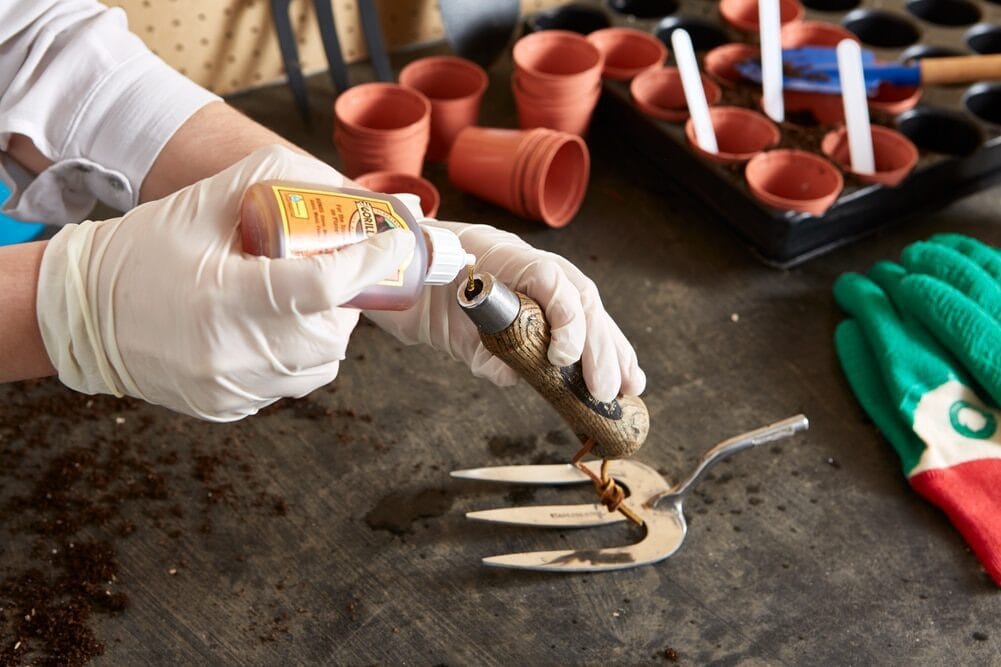
Stick With It: The Hidden Heroes That Hold Your DIY Projects Together
You’ve got your design, your materials, and even a fresh set of cutting tools. But what’s the secret ingredient that truly makes a DIY project last? It’s often the hidden heroes: the essential adhesives & fasteners that bind everything together. While we often think of paint and pretty finishes, understanding how to properly join materials is fundamental to creating durable, professional-looking crafts. Going beyond the brush & glue means getting to grips with the various ways to secure your components, ensuring your hard work stands the test of time. Let’s explore these unsung champions of the DIY world and equip you with the knowledge to build with confidence.
The Backbone of Crafting: Why Knowing Your Fasteners is Fundamental

A solid understanding of essential adhesives & fasteners isn’t just helpful; it’s the backbone of crafting basics. As experts in construction and woodworking, like those featured in publications such as Fine Woodworking, consistently emphasize, the right joining method is crucial for both the structural integrity and the aesthetic finish of any project. Using a weak adhesive where a strong mechanical fastener is needed, or vice-versa, can lead to frustration, project failure, and wasted materials. By knowing the strengths and weaknesses of different glues, screws, nails, and other fasteners, you’ll not only save time and effort but also achieve results you can truly be proud of. This foundational knowledge empowers you to choose wisely, build stronger, and tackle more ambitious projects with your partner.
Essential Adhesives & Fasteners for Every DIYer:

Ready to confidently join and secure your next masterpiece? Here’s your guide to the essential adhesives & fasteners, taking you beyond the brush & glue and solidifying your crafting basics knowledge.
- Wood Screws:
- What they are: Threaded metal fasteners designed to create strong, secure connections in wood. They come in various lengths, gauges (thickness), and head types (Phillips, flat, square, Torx).
- Best for: Joining wood pieces where a strong, reversible joint is needed (e.g., furniture, shelves, decorative boxes).
- Tips: Always drill a pilot hole slightly smaller than the screw’s diameter to prevent splitting, especially in hardwoods. Use a countersink bit for flush finishes.
- Example: A standard Phillips head wood screw (e.g., #8 x 1-1/2 inch) is versatile. You can find a wide selection at hardware stores like Lowe’s.
- Brad Nails & Finish Nails:
- What they are: Thin, small-headed nails used for delicate joining or when minimal visual impact is desired. Brad nails are very fine, while finish nails are slightly thicker. Often applied with a nail gun or by hand.
- Best for: Attaching trim, small decorative pieces, light framing, or temporarily holding pieces while glue dries.
- Tips: Use a nail set to recess the head below the surface for a cleaner finish, which can then be filled.
- Example: Pneumatic brad nailers (and the nails themselves) are widely available. For hand nailing, a small hammer and a box of assorted brad nails are key.
- Construction Adhesive:
- What it is: A heavy-duty, strong bonding adhesive, typically dispensed from a caulk gun. It creates a flexible, durable bond that resists moisture and temperature changes.
- Best for: Bonding dissimilar materials, filling gaps, and providing extra strength to joints where screws or nails might not be enough (e.g., subflooring, deck boards, attaching panels to walls).
- Tips: Always work in a well-ventilated area. Follow curing times strictly. Not typically for delicate crafts due to its aggressive bond.
- Example: Liquid Nails is a well-known brand for heavy-duty construction adhesive.
- Spray Adhesive (Revisited for Versatility):
- What it is: An aerosol adhesive that creates a fine, even mist. Some are permanent, some repositionable. (We touched on this for paper in the “Adhesives” article, but its versatility earns it a spot here too for broader material joining).
- Best for: Large surface area bonds for paper, fabric, foam, felt, and some lightweight plastics. Excellent for laminating materials or creating temporary holds.
- Tips: Use in a well-ventilated area, protect surrounding surfaces from overspray. Read the can for permanent vs. repositionable properties.
- Example: 3M Super 77 Multipurpose Spray Adhesive is a standard for general crafting and light assembly.
- Staple Gun & Staples:
- What they are: Handheld tools that drive metal staples into surfaces. They come in manual (spring-loaded), electric, and pneumatic versions.
- Best for: Upholstery, attaching fabric to wood frames, securing mesh, temporary holds, or light repairs on cardboard. Great for quick, strong bonds on thinner materials.
- Tips: Choose the right staple length for your material thickness. Ensure consistent pressure for a flush staple.
- Example: Brands like Arrow Fastener offer various staple guns and staple types.
- Toggle Bolts / Wall Anchors:
- What they are: Specialized fasteners used to hang heavy items on drywall or hollow walls where there isn’t a stud. They expand behind the wall to create a secure anchor.
- Best for: Mounting shelves, heavy mirrors, TVs, or anything substantial onto non-load-bearing walls.
- Tips: Always check the weight rating of the anchor. Use the correct drill bit size for installation.
- Example: Many varieties exist; a visit to your local hardware store or checking guides on Family Handyman can help you choose the right type.
Mastering these essential adhesives & fasteners will significantly expand your capabilities and confidence in every DIY project.
Stronger Bonds, Stronger Projects: The Foundation of Lasting Creations
Understanding and effectively utilizing essential adhesives & fasteners is truly about going beyond the brush & glue and laying the groundwork for lasting DIY projects. This fundamental knowledge equips you and your partner to choose the right tools for the job, preventing common mistakes and ensuring your handcrafted creations are not only beautiful but structurally sound. It’s a shared skill that enhances your teamwork, builds mutual confidence, and ultimately results in the immense satisfaction of completing durable, professional-quality items together. So, delve into the world of secure joining, and watch as your shared projects—and your bond—become stronger than ever.