
Sticky Situations Solved: Choosing the Right Adhesive for Your DIY Adventures
Ever started a fun DIY project with your partner, only to have it fall apart because you used the wrong glue? It’s a common frustration, and one that can easily dampen the creative spirit. Understanding the different types of adhesives might not sound like the most thrilling part of crafting basics, but it’s absolutely essential for ensuring your hard work lasts. Think of it as knowing which tool to use for the job; the right glue makes all the difference between a fleeting craft and a cherished, durable keepsake. Let’s dive into the sticky world of glues and help you master the fundamentals, ensuring your next shared creation stays perfectly intact.
Why Adhesive Knowledge is Your DIY Superpower

Knowing your adhesives is a fundamental aspect of crafting basics that empowers your DIY efforts and prevents wasted time and materials. Different projects, from paper crafts to wood assembly or fabric embellishment, require specific types of glues for optimal bonding and durability. As noted by industry experts at Gorilla Glue – a leading name in adhesives – the chemical composition of glues is designed to bond most effectively with certain material properties, like porosity and surface texture. Using the wrong adhesive can result in weak bonds, discoloration, or even damage to your materials. By taking a moment to understand the basics, you’ll save yourself frustration, achieve professional-looking results, and ensure the sentimental value of your shared DIY projects can be enjoyed for years to come. This foundational knowledge is truly a DIY superpower for any couple.
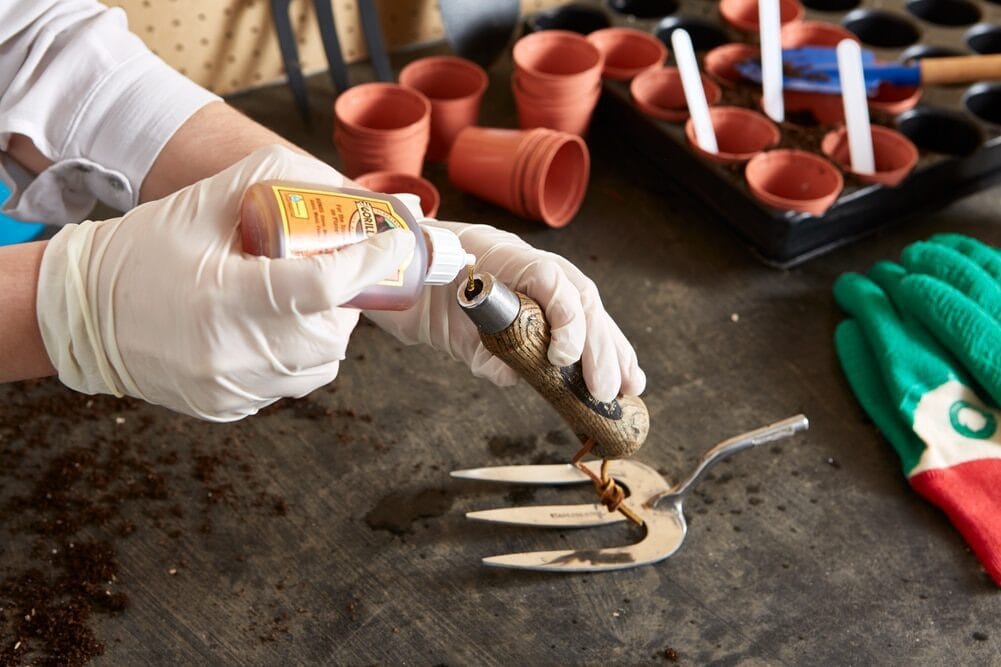
Essential Adhesives for Your Couples’ DIY Toolkit:
Here’s your essential guide to understanding the most common types of adhesives for your crafting basics toolkit, ensuring you pick the perfect one every time.
- Craft Glue (PVA Glue / White Glue):
- What it is: A versatile, water-based glue, usually white, that dries clear. It’s non-toxic and easy to clean up.
- Best for: Paper, cardboard, fabric, felt, foam, and some lighter woods. Perfect for scrapbook pages, felt crafts, or simple decorations.
- Tips: Apply thinly and clamp or hold pieces together while drying.
- Example: Elmer’s Glue-All is a widely recognized brand for general craft glue.
- Wood Glue (Aliphatic Resin Glue):
- What it is: A specialized PVA glue that creates extremely strong bonds with wood. It’s often yellow and dries rigid.
- Best for: Wood-to-wood bonds in projects like picture frames, small furniture, or wooden boxes. Essential for any serious wood DIY.
- Tips: Use clamps for a strong, long-lasting bond. Dries quickly.
- Example: Titebond Original Wood Glue is a favorite among woodworkers.
- Super Glue (Cyanoacrylate Adhesive):
- What it is: A fast-acting, strong adhesive that creates instant bonds. It cures with moisture in the air.
- Best for: Small, precise bonds on non-porous materials like ceramics, plastics (check for type), metal, and rubber. Great for quick fixes or tiny details.
- Tips: Use sparingly! Bonds skin instantly. Work in a well-ventilated area.
- Example: Loctite Super Glue Gel Control offers good control for precision.
- Hot Glue (Hot Melt Adhesive):
- What it is: Solid glue sticks melted by a hot glue gun, applied as a liquid, and hardening as it cools.
- Best for: Quick, temporary bonds on a wide variety of materials including fabric, paper, some plastics, and light wood. Excellent for decorative elements.
- Tips: Provides instant adhesion but isn’t always the strongest or most durable bond for structural projects. Be careful, as it’s hot!
- Example: Affordable hot glue guns and sticks are widely available at craft stores like Hobby Lobby.
- Fabric Glue (Textile Adhesive):
- What it is: Flexible, washable adhesive specifically designed for bonding fabrics without stiffening them.
- Best for: Hemming, appliqué, attaching patches, or other no-sew fabric projects.
- Tips: Always check if it’s washable before use, and allow ample drying time.
- Example: Aleene’s Fabric Fusion Permanent Fabric Adhesive is a popular choice for fabric projects.
- Spray Adhesive:
- What it is: An aerosol adhesive that creates a fine, even mist. Some are repositionable, others permanent.
- Best for: Large surface area bonds, like attaching paper to poster board, fabric to foam, or creating photo collages. Provides a smooth finish.
- Tips: Use in a well-ventilated area, protect surrounding surfaces from overspray.
- Example: 3M Super 77 Multipurpose Spray Adhesive is a well-known, reliable option.
Knowing these different glues will dramatically improve your success rate and satisfaction in all your crafting basics endeavors.
Glue Together Success: Elevating Your Shared DIY Journey
Understanding adhesives might seem like a small detail in your crafting basics journey, but it’s a powerful step toward mastering DIY projects and strengthening your relationship through successful collaboration. When you confidently choose the right glue, you’re not just ensuring your project holds together; you’re fostering a sense of competence and teamwork with your partner. The satisfaction of a well-made, durable creation reinforces your joint effort and dedication. So, next time you plan a DIY date night, take a moment to consider your adhesive needs. It’s a simple act that will elevate your shared crafting experiences, reduce frustration, and literally glue your beautiful memories together, making every completed project a testament to your growing bond.

